Tinwald Farm
Regenerative Angus beef, raised where the Clutha meets the mountains.
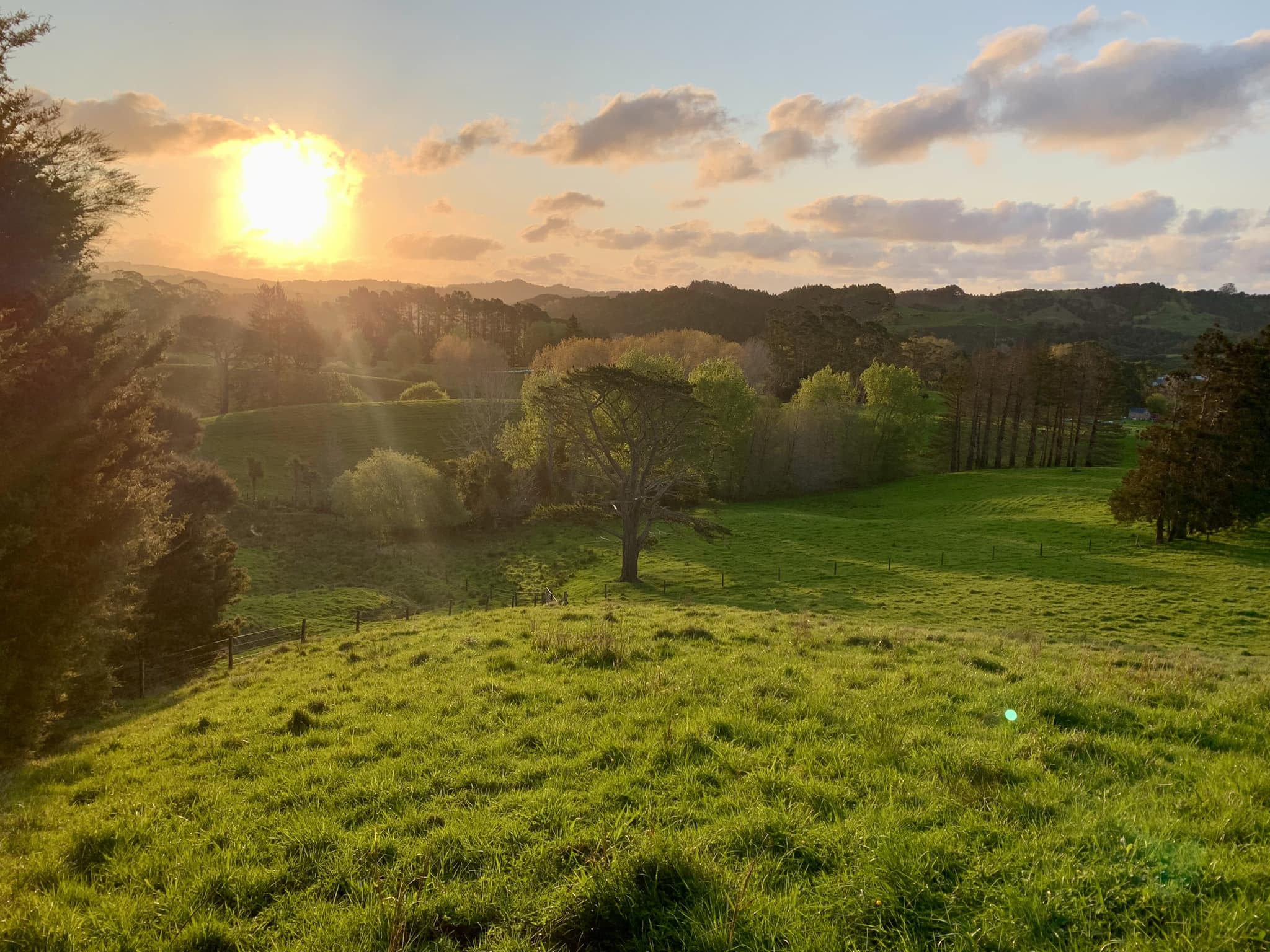
Tinwald Farm runs from the banks of the Clutha River to the foothills of the Mt Pisa Range, between Cromwell and Wanaka. Cattle raised on living soil, moved daily, and known by the people who farm them.
Choose your portion size
You buy a share of a whole animal, harvested on the farm and processed by the butcher to your cut sheet. Choose your cuts online, pay a deposit to reserve your share, and collect your beef boxed and labelled when it is ready.
Quarter beef
$950 – $1,150In your freezer: 31 – 45kg
Half beef
$1,900 – $2,250In your freezer: 63 – 90kg
Whole beef
$3,750 – $4,500In your freezer: 125 – 180kg
Prices are estimates based on carcass weight and are confirmed after your animal is weighed. Weights shown are carcass weight; the amount that reaches your freezer is less after boning and trimming. Collection is from your chosen butcher in Christchurch, Ashburton, Timaru, Alexandra, Dunedin or Invercargill.
From city life to living soil on the Mt Pisa Range
Amanda and Adrian Currie never planned on becoming farmers. Neither came from a farming background, yet over time Tinwald Farm became far more than simply the place they owned. It became the place where they began asking how healthy land produces healthy food.
Amanda’s curiosity was first sparked by the condition of the soil. Years of cultivation and synthetic inputs had left it compacted, dry by midsummer, and there was not a worm to be found. A simple water infiltration test barely moved in fifteen minutes.
Working alongside Farm Manager Jason Sutherland, a different path was chosen. Cultivation ceased. Synthetic fertilisers, insecticides and pesticides were removed, and the focus shifted to rebuilding the biological processes that underpin healthy soils.
Today the farm is managed using holistic planned grazing. Jason moves the cattle and sheep regularly across around 750 hectares of multi-species pasture, giving every paddock a long recovery between grazings. The farm produces its own biologically active composts and microbial extracts to support the living soil. Progress is measured, not guessed, through microscopy in an on-farm laboratory and independent annual assessments of the farm’s ecological health.
Jason has played a central role in putting these ideas into practice. His careful grazing management with large mobs and long rest periods has helped transform the farm while continuing to produce high-quality beef and lamb. Alongside his work on the land, he hosts students from Growing Future Farmers, who spend around two years working and learning alongside him.
“The first sign the soil was waking up was the worms. When the Curries started, there were none. Now they are everywhere. Every year our progress is checked with an independent assessment of the ecological health of our land. It’s rewarding to see the results supporting all the work we have invested over the years.”
The herd, the land, the table
Three things decide what ends up in your freezer: the animals, the ground they graze, and the care taken between paddock and plate.
The herd
Every animal sold through Out the Farm Gate is born and raised at Tinwald Farm. The Angus cattle are managed as a single herd, moving to fresh pasture every day. Daily moves ensure the cattle always have abundant fresh feed while allowing each paddock a long recovery before it is grazed again.
The cattle are raised entirely on grass and hay, with no grain, winter forage crops, silage or baleage. The farming system is built around fresh pasture, long recovery periods and careful grazing management, allowing cattle, grass and soil to thrive together.
The land
No cultivation. No synthetic fertiliser. No insecticides or pesticides. Diverse multi-species pastures, biologically active composts and microbial inoculants produced on the farm. Even the wool from the farm’s sheep finds a second life beneath the vineyard vines.
The farm’s progress is measured rather than assumed. Soil biology is studied using microscopy in an on-farm laboratory, while independent annual ecological assessments, earthworms, water infiltration and resilient summer pastures all help demonstrate that the ecological health of the land is improving over time.
The table
Tinwald Farm beef comes from cattle born, raised and finished at Tinwald Farm, and nowhere else. The paddocks they have grazed, the people who have cared for them, and the farming decisions that have shaped their lives are all known.
The beef is carefully aged before being butchered to each customer’s specifications, providing complete traceability from farm to table. Behind every cut are years of patient work improving the health of the land, the pastures and the animals that graze them.
A farm that opens its gates
Tinwald Farm is more than a beef operation. There are around 1,500 breeding ewes, 20 hectares of Pinot Noir vines, free range chickens, purebred Clydesdales, and a steady stream of agriculture students learning the trade on its paddocks.
Learning on the land
Since 2020 the farm has hosted students, first from the Otago Polytechnic High Country Farming course and more recently from the Growing Future Farmers programme, who spend much of their course doing real farm work here. The next generation of farmers, learning soil health first as well as the diverse skills required to operate a successful farming operation.
The Clydesdales
The farm is home to several purebred Clydesdales, the gentle draft horses that once worked every farm in the country. They set the pace of the place and remind everyone of a slower way of farming.
The Pocket Room
The farm’s gathering place on the Cromwell to Wanaka road is a venue with a boardroom, commercial kitchen, audio-visual equipment, cellar door and a welcoming, open fireplace. The farm receives regular visitors from overseas and around New Zealand interested in its farming practices. Ask the farm about visits and events.
Good to know
How does buying a share of a beast work?
What does regenerative farming actually mean here?
How much freezer space do I need?
Where do I collect my beef, and can it be delivered?
What does pasture raised beef taste like?
I have never bought meat this way before. Is it complicated?
Beef from a farm you can name
Reserve your share of Tinwald Farm beef, or browse more named farms across New Zealand.