Salt Air Farms
Coastal beef from Omamari
A family beef farm on the west coast north of Dargaville, looking out over the Tasman Sea. Brothers Sam and Sean, with their wives and families, raise grass-fed cattle on land their family has farmed since just after World War 2.
Buying options
Pick your share. You pay for the beef through Out the Farm Gate, and your butcher for the butchery when you collect.
Quarter beef
$938 to $1,050
Approx. 62.5 to 70kg carcass
Yielding around 38 to 46kg of cuts
Half beef
$1,875 to $2,100
Approx. 125 to 140kg carcass
Yielding around 75 to 91kg of cuts
Whole beef
$3,750 to $4,200
Approx. 250 to 280kg carcass
Yielding around 150 to 182kg of cuts
Prices are for the beef. Butchery is paid separately to your butcher at collection. Your final price moves with the actual carcass weight.
Three generations on the same coast
The family story starts with Gran Peggy and Bruce, who came to the farm through a ballot after World War 2 and ran sheep and beef. It was a simple life back then, with no power and everything done by hand. Peggy still tells great stories of raising a family on this stretch of coast.
Their son Peter grew up on the farm and carried it on with his wife Rose, later moving to beef only. Their sons Sam and Sean grew up here too, with the beach and the fishing on their doorstep. When Peter and Rose retired, Sam and Sean, their wives and their families came together to keep the farm going and carry on the family’s farming story.

Grass-fed, shifted every couple of days
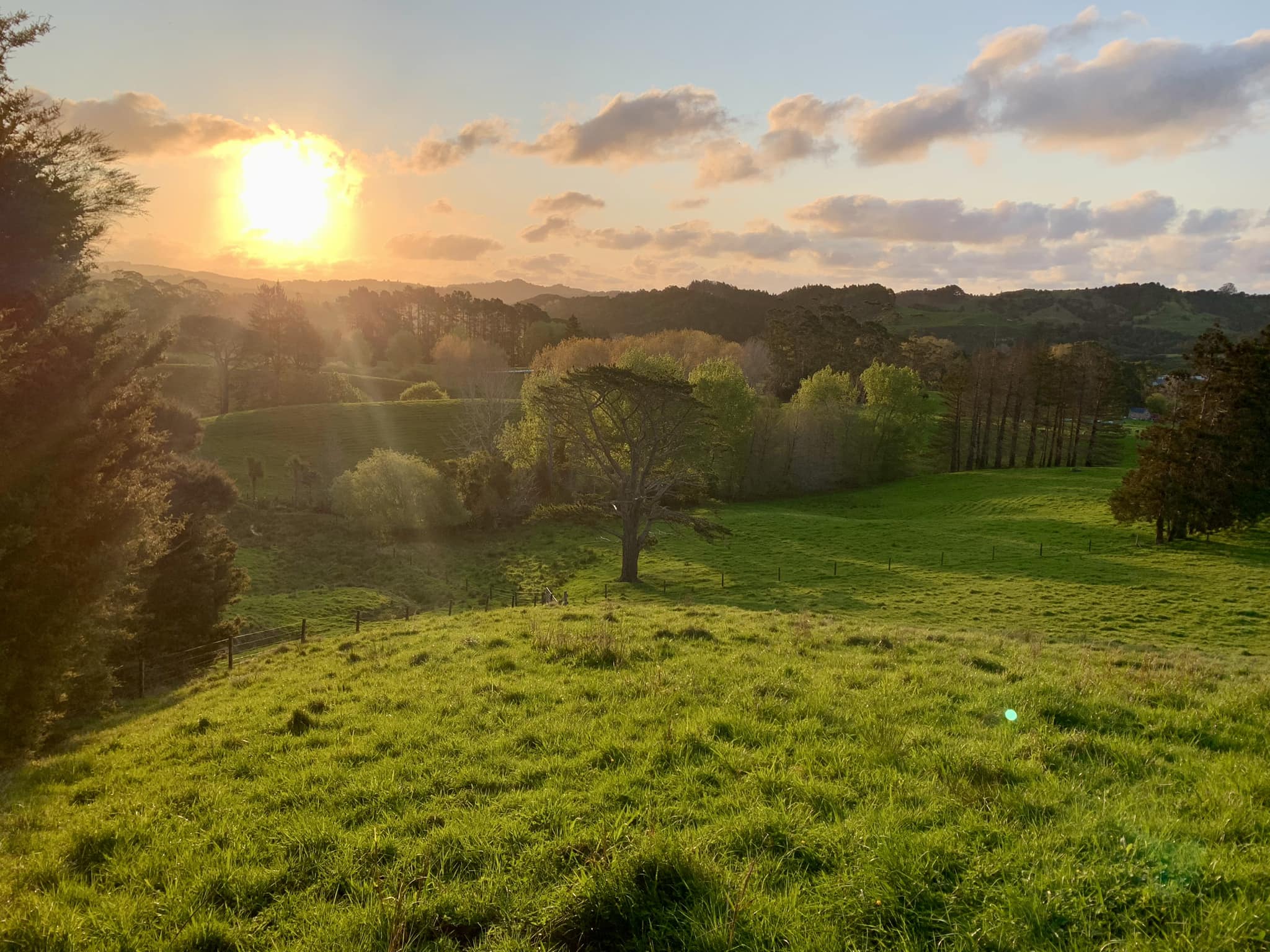
Salt Air Farms is 80 hectares of rolling coastal country at Omamari, near Maunganui Bluff and the Kai Iwi Lakes. The name comes from the sea. It was important to the family that the farm’s name said where it sits.
The cattle are grass-fed all the way through, with silage only if the grass runs short. The family graze them in rotation, shifting them every two days or as needed, so each paddock gets time to recover before the cattle come back round.
They farm conventionally. Fertiliser is part of how they look after the pasture, and cattle are drenched when they arrive on the farm only if their health needs it.


Raised unhurried, by the sea
The herd is a mix of Angus, Charolais, Murray Grey and dairy beef cross. Beef is what suits this land, and it is what the family has known how to do for generations.
The cattle are ready at rising two years old, at around 500kg live weight. They live a quiet life looking out over the Tasman, moved without dogs, and the family puts all its effort into looking after the land and the animals.
A quarter, half or whole gives you a full spread of cuts from one animal, off one farm. Steaks, roasts, slow cook cuts and mince, paddock to freezer.

Four butchers to choose from
Salt Air Farms beef can be cut and collected from De Bauchery in Tikipunga, Whangarei, Warkworth Butchery, Jax Homekill or Sausages By Design.
You choose your butcher when you fill in the cut sheet. They cut your share to your order, and you pay them directly for the butchery when you pick up.

What to expect, from order to freezer
A few things worth knowing before you order. Click any question to open it.
The ordering process, start to finish
Salt Air Farms sells beef by the quarter, half and whole. Half and whole customers choose their cuts on our online cut sheet. We organise the rest, and if you are not sure what to pick, we can help you fill it in.
Once a harvest date is confirmed you will be notified by email, and we will let you know when your beef is ready to collect.
How quarters work
Quarters come in pairs. Two customers each buy a quarter, the half beast is cut to one list, and everything is split evenly between you. Nobody gets all the front or all the back.
Because of that, a quarter is a set pack and you do not pick your cuts. If you want to choose your own cuts, go for a half.
What the price includes
The price on each card is for the beef, paid through Out the Farm Gate. Butchery is separate and paid to your butcher when you collect.
The figures on the cards are estimates based on a typical carcass. Your final price is worked out on the actual carcass weight once the animal is harvested and weighed.
Which size should I choose
A quarter suits a smaller household. A half is the popular choice for families. A whole is the best value and is easy to split with friends or family.
Even a quarter is a good amount of meat, so it is worth having freezer space sorted before your beef is ready.